
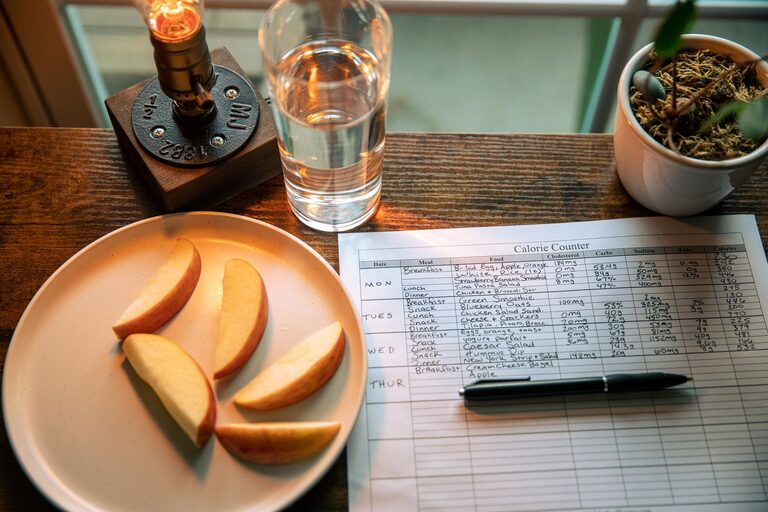
Planning balanced meals can sometimes feel overwhelming, especially with busy schedules and endless food options. However, creating nutritious meals doesn’t have to be stressful or complicated. With a few practical tips and some preparation, you can enjoy well-rounded meals that nourish your body and satisfy your taste buds. In this post, we’ll explore easy ways to plan balanced meals without adding stress to your day.
What Is a Balanced Meal?
Before diving into planning, it helps to understand what a balanced meal includes. Generally, a balanced meal contains a mix of:
– Proteins: such as lean meats, beans, tofu, or fish, which help build and repair body tissues.
– Carbohydrates: like whole grains, fruits, and vegetables, which provide energy and fiber.
– Healthy Fats: found in nuts, seeds, avocados, and olive oil, supporting brain health and cell function.
– Vitamins and Minerals: abundant in colorful fruits and vegetables, essential for overall well-being.
The goal is to combine these components in appropriate portions to keep your body fueled and satisfied.
Why Planning Matters
Without a plan, it’s easy to fall into the trap of grabbing convenience foods or skipping meals. Planning balanced meals ahead of time:
– Saves time by reducing daily decision-making
– Helps manage grocery shopping efficiently
– Ensures variety and nutritional completeness
– Reduces food waste and saves money
Step-by-Step Guide to Stress-Free Meal Planning
1. Start with a Weekly Overview
Choose a day of the week to plan your meals. Use a simple calendar or a meal planning app to list out breakfast, lunch, dinner, and snacks for the upcoming week. This helps you see the big picture and avoid repetition.
2. Keep It Simple and Flexible
You don’t need complicated recipes or ingredients. Choose meals that use similar ingredients in different ways to keep shopping easy and minimize waste. For example, roast a batch of chicken to use in salads, wraps, and stir-fries throughout the week.
3. Focus on Variety and Color
Aim to include a variety of fruits, vegetables, grains, and proteins throughout your meals. Colorful plates usually mean nutrient-rich food choices. Incorporating a rainbow of produce can make meals more appealing and balanced.
4. Portion Your Plates Mindfully
A common visual guide is to fill half your plate with vegetables, one quarter with protein, and one quarter with whole grains or starchy vegetables. Adjust portions based on your personal needs and activity level.
5. Prepare in Advance When Possible
Batch cooking or prepping ingredients ahead of time can make assembling meals faster and less stressful. Chop veggies, cook grains, or portion snacks in advance so you can quickly throw together meals.
6. Keep a Well-Stocked Pantry and Fridge
Having staple ingredients on hand reduces stress when it’s time to cook. Keep healthy basics such as canned beans, rice, nuts, frozen vegetables, and spices readily available.
Sample Balanced Meal Ideas
Here are a few simple balanced meals to inspire your planning:
– Grilled chicken with quinoa and steamed broccoli
– Lentil soup with whole-grain bread and a side salad
– Tofu stir-fry with mixed vegetables and brown rice
– Salmon with sweet potatoes and sautéed spinach
– Vegetable omelet with whole wheat toast and fresh fruit
Tips for Maintaining Motivation
– Listen to your body: Adjust meals according to hunger and energy needs.
– Experiment with recipes: Trying new flavors keeps meals exciting.
– Involve family or friends: Sharing meal prep can be fun and motivating.
– Celebrate small wins: Every balanced meal is a step toward healthy habits.
Wrapping Up
Planning balanced meals doesn’t need to add stress to your life. By keeping your approach simple, flexible, and organized, you can enjoy nutritious food every day without feeling overwhelmed. Start small, build your routine, and watch how meal planning can become an enjoyable part of your lifestyle.
Remember, healthy eating is about progress, not perfection. With these strategies, you’ll be well on your way to stress-free, balanced meals that support your well-being. Happy cooking!
